Adhesive Lies: How Sticky Promises Peel Away Trust and Leave Organisations Scratching for Credibility.
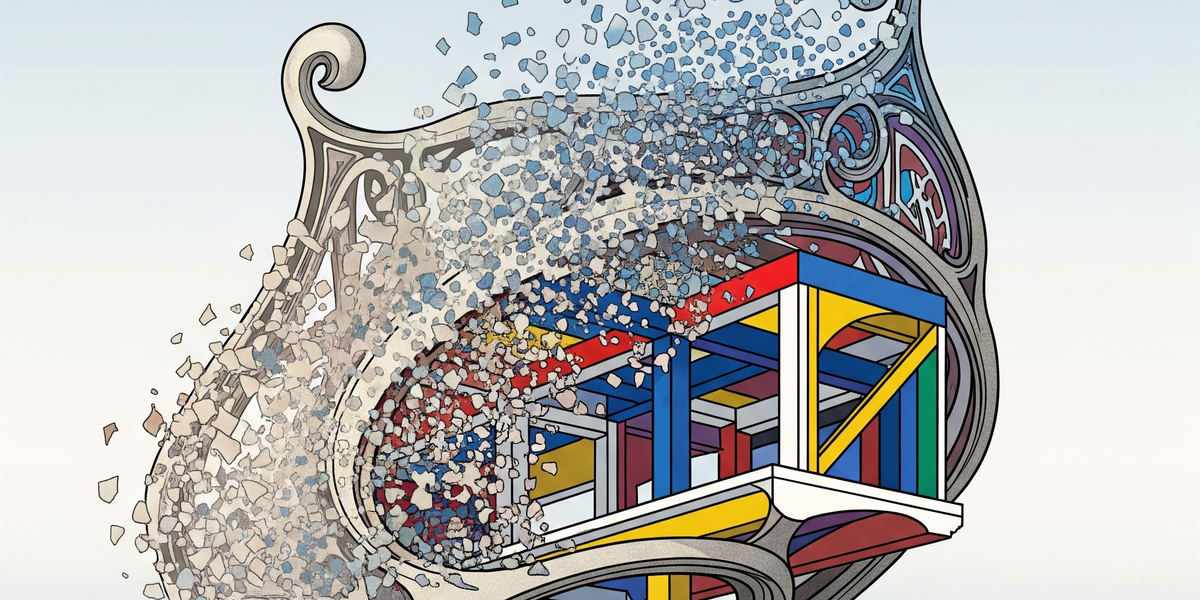
When promises oversell and underdeliver, trust erodes quietly—impacting customers, teams, and the very foundation of success. This piece explores why honesty and presence trump hype in building lasting connections.
What’s the real price of a promise you know you can’t keep?
What if the headlines you trust are the small lies eating your life quietly eroding the very trust you need to thrive?
Everyday hype and a cupboard anecdote
Grand declarations are seductive. We hear "100% Satisfaction Guaranteed" or “Hot bread, fresh from the oven, every time,” and it feels like a sure thing. We build our expectations on these claims. But then the label peels off the package in transit.
The oven is cold when we arrive. We’re told a car can drive itself, but anyone who tries it knows it’s not the whole truth. A small fissure of doubt appears. The promise on the box becomes a hollow echo after six emails back and forth with a customer service team making a "one-time accommodation."
This is the world we've built: an architecture of puffery, where out-hyping the competition seems like the only path forward. But this architecture is brittle, and the burden of its inevitable collapse falls on the one thing we can’t afford to lose: trust.
You live inside polished claims. Product boxes shout perfection while the thing inside sometimes fails to stick.
That’s not hypothetical: I once found a box of old labels in my cupboard. I used them to send out order packages, only to discover the adhesive had died. The box still boasted “100% Satisfaction Guaranteed” in big bold letters, but that promise rang hollow.
How language outruns truth
Marketing’s roar drowns out the quiet fact: promises cost more than the price tag. When language outruns truth, customers don’t just feel annoyed, they learn not to believe you.
Worse, when a technology is branded as “fully” something it isn’t, people can get hurt. Hype taxes your support teams, encourages bad choices, and seeds a skepticism that spreads faster than any campaign.
At the same time, people in positions of influence pretend evolution is someone else’s problem. Leaders dodge frank assessments; teams avoid honest weakness-tracking; praise replaces necessary critique.
Performance becomes a broadcast (polished, projected, and shallow) rather than a lived moment of risk and response. We surround ourselves with cheerleaders and slick ads instead of partners who favour what actually works.
It's comfortable, this veneer of perfection, letting us sidestep the mess of real limits. But lurking beneath is a deeper rot: hype that doesn't deliver, assessments that dodge hard truths about our gaps, turning every interaction into a scripted show rather than a raw, shared moment.
This deception disrupts genuine connections, leaving teams and customers questioning not just the claim, but everything behind it.
The fallout: organisational and emotional costs
The fallout builds silently at first then explodes into fractured loyalty. Trust crumbles, sparking endless customer complaints that drain your team's energy, bad decisions that ripple into regrets, and whispers of doubt that spread like wildfire. Trapping everyone in a cycle of frustration and unfulfilled potential.
This isn't just about disappointment; it’s a creeping poison. Each broken promise teaches your most loyal followers not to believe you. It generates a quiet, potent wave of negative word of mouth. For every grand claim that falls short, we’re left wondering, what else are they lying about? The strain ripples through every part of an organisation, forcing teams to defend promises that were never real to begin with.
In the most extreme cases, when puffery is applied to things that truly matter, people can get hurt. It becomes a frantic race to the bottom, a competition to see who is more willing to stretch the truth, leaving a trail of cynical users and burned trust. You're not just losing a customer; you're creating an adversary.
This is not just awkward customer service. It metastasises. Trust decays into cynicism. Loyal customers become wary witnesses who amplify your failures. Internal confidence atrophies when feedback is an act of diplomacy instead of clarity.
The creative spark of real-time performance, the hungry, hazardous magic of being present, gets replaced by rehearsed perfection. People burn out rallying behind claims they know are false. Lawsuits and reputational bruises follow; the long game is forfeited for a momentary headline.
Emotionally, you trade pride for guilt, curiosity for numbness, and possibility for defensiveness. Ignore it, and the emotional weight crushes aspirations, turning vibrant efforts into hollow routines where vulnerability vanishes, and the human spark dims.
The quieter, harder path (honesty as performance)
There’s a quieter, harder path. Start by naming what you can’t do and saying so without apology. Make candid assessments routine: strengths listed honestly, weaknesses mapped without blame. Teach yourself and others to receive direct feedback and to evolve.
The solution isn’t to make better promises. It’s to stop promising and start performing. Think of it not as a static product to be sold, but as a live event. A performance is about presence, about the unedited, immediate, and shared experience in the here and now. It embraces the fact that anything can happen.
This requires a profound shift from shouting about imagined perfection to having the courage to be honest about reality. It begins with the frank assessment of our own weaknesses, as individuals and as teams.
To deliver an authentic performance, we must first be honest with ourselves about what we can and cannot do. Instead of “100% Satisfaction Guaranteed,” what if we said, “99% of our users are delighted, and we’re working relentlessly on the last 1%”? This isn’t a lesser claim; it’s a stronger truth. It’s an invitation into the process, a dance with the unknown that is infinitely more compelling than a perfect lie.
Replace overpromises with commitments that can be proven: modest, accountable claims that invite correction instead of litigation.
Reclaim performance as presence: make fewer productions, more risky moments where someone shows up imperfectly and the audience finishes the work with them.
Finally, choose your circle: spend time with people who focus on what they love, and mirror that attention. These moves aren’t glamorous. They’re surgical. They change incentives overnight.
A vision of presence and co-creation
Imagine a space where connection is not based on hype, but on presence. Where, instead of being passive consumers of a claim, your audience becomes active participants, co-creators in the event. Their energy and feedback aren't a threat to the promise; they become part of the work itself, completing it.
This is where we glimpse the raw, unpolished essence of what it means to be human. It's in the vulnerable, live act of showing up honestly. This is how you build something that lasts far longer than the fleeting high of a headline. You build a loyal community that is part of something larger than themselves.
The path there is simpler than you think. Shift your attention. Focus on what you genuinely like about what you do, not on the features you dislike or lack. And then find the people who are drawn to that same genuine light.
Basically, abandon the script. Step onto the stage and dare to be real.
Imagine customers who trust you because your words match your delivery; teams that get better because feedback is free of theatrics; moments that feel alive because vulnerability replaces rehearsed safety.
The brand that once chased headlines with exaggerated promises now beats competitors by refusing to burn its credibility for quick attention. You regain the kind of joy that comes from doing fewer things, but doing them honestly and well.
Imagine a world where bonds strengthen through unvarnished promises, teams surge forward with clear-eyed growth, and every encounter pulses with the thrill of authentic presence: unpolished, alive, revealing our shared humanity in its fullest. Frustrations fade into fulfillment, innovation flows from trust rebuilt, and potential unfolds without the drag of deception.
Take one step today: pick one claim you can soften or prove, and have one blunt conversation about a real weakness with someone who can act on it. Do those two things, and you’ve begun the only kind of turnaround that lasts: honest work, practiced in public, with people who care about what they actually like.
The Essential Concepts
Everyday Hype and the Erosion of Trust: Organisations and individuals often rely on "glossy exaggerations" and "grand declarations," such as a "100% Satisfaction Guaranteed" label on a product that doesn't live up to its claim. This "architecture of puffery" creates a small fissure of doubt when promises don't match reality, ultimately eroding trust with customers and within teams.
How Language Outruns Truth: When language and marketing "outrun truth," it has significant consequences. Customers learn not to believe you, support teams are burdened with defending false promises, and, in extreme cases, a brand's reputation for being "fully" something it is not can lead to people getting hurt. The article highlights that people in positions of influence often dodge frank assessments and praise replaces necessary critique, leading to a performance that is "polished, projected, and shallow" instead of a lived moment of risk and response.
The Fallout - Organisational and Emotional Costs: The fallout from broken promises and "adhesive lies" is severe. Trust crumbles, leading to endless customer complaints, bad decisions, and whispers of doubt that spread like wildfire. This "creeping poison" can turn loyal followers into adversaries. Emotionally, it leads to burnout, a lack of confidence, and a feeling of guilt and defensiveness, as people are forced to defend claims they know are false. The long-term cost is the loss of credibility and the forging of cynicism.
The Quieter, Harder Path (Honesty as Performance): The alternative to "out-hyping the competition" is a quieter, harder path of honesty as performance. This involves a profound shift from shouting about imagined perfection to having the courage to be honest about reality. This begins by being honest about your own weaknesses, both as individuals and as teams. The article suggests replacing overpromises with modest, accountable commitments and reclaiming performance as an unedited, shared experience in the "here and now."
A Vision of Presence and Co-creation: The final takeaway is to build a future where connection is based on presence, not hype. In this vision, the audience is no longer a passive consumer of a claim but an active participant and co-creator. By abandoning the script and having the courage to be real, you can build a loyal community that is part of something larger than themselves. This leads to deeper bonds, genuine innovation, and a sense of fulfillment that comes from doing things honestly and well.
I am a Knowledge Worker...
What does it mean for me?
This post reveals that your professional credibility and career growth may be quietly eroded by everyday hype and the erosion of trust.
In a culture of "polished, projected, and shallow" performance, you may be tempted to lean on glossy exaggerations about your skills or projects to win praise.
But when your language outruns truth, you create a silent yet powerful fallout that can turn colleagues into cynics, drain your team's energy, and lead to an erosion of your own confidence.
The solution is the quieter, harder path of honesty as performance. This involves a profound shift from shouting about imagined perfection to having the courage to be honest about reality, both with yourself and your team.
By making candid assessments routine and owning your weaknesses without blame, you can cultivate a vision of presence and co-creation that builds genuine trust, innovation, and long-term career fulfillment.
How do I action this?
- Conduct a "Promises vs. Reality" Audit: Identify one recent project or task where you made a promise or claim. Privately, score that promise on a scale of 1-10 for its alignment with reality. Use a score of 10 for a perfect match and 1 for a completely failed claim. If your score is not a 10, identify a single, specific step you can take on your next project to close the gap between your promise and your delivery. This directly addresses the Everyday Hype and the Erosion of Trust.
- Practice "Honesty as Performance" in a Team Huddle: In your next team meeting or a stand-up, instead of only sharing wins, start with a statement like: "A key weakness I'm working on is [specific weakness]. I'm looking for feedback on it." This models The Quieter, Harder Path by embracing vulnerability and inviting honest conversation.
- Make a "Modest, Accountable Commitment": Instead of making a grand, over-the--top promise on your next project, reframe it as a modest, accountable commitment. For example, instead of "100% Satisfaction Guaranteed," say, "We will do our best to [a specific, measurable action] and will be relentless in fixing any issues you encounter." This rebuilds trust by focusing on a commitment that can be proven.
- Identify a "Co-Creator" in Your Circle: Identify a colleague who values honesty and collaboration. Seek their feedback on a challenge you’re facing, not just a win you’ve had. Frame the conversation around the idea of co-creating a solution, not just seeking approval. This is a practical step toward A Vision of Presence and Co-creation and a direct way to avoid the shallow "performance" culture.
I am a Freelancer, Solopreneur, Entrepreneur, Independent Worker...
What does it mean for me?
This post offers a critical strategic reset for your business, challenging the notion that you must rely on everyday hype and the erosion of trust to compete.
In a world of “glossy exaggerations,” you may be tempted to use inflated claims to attract customers, but this creates a subtle fallout where a small fissure of doubt turns loyal customers into wary witnesses.
The long-term cost is a lack of credibility and a feeling of guilt and defensiveness.
The solution is the quieter, harder path of honesty as performance. This involves a profound shift from shouting about imagined perfection to having the courage to be honest about your business's reality and its weaknesses.
By embracing honesty and presence, you can move toward a vision of co-creation where customers are active participants and your brand is built on genuine trust and lasting bonds, not fleeting headlines.
How do I action this?
- Audit and Soften One Overpromise on Your Website: Go to your website or a piece of marketing material and identify one claim that feels like an overpromise. For example, if you claim "fully automated," and it's not, reword it to be an honest statement, such as, "Our product automates 80% of [a specific task]." This is a direct, actionable step toward embracing The Quieter, Harder Path.
- Reframe a Testimonial Request: Instead of asking for a generic positive testimonial, reframe your request to a client. Ask, "What was one challenge you were trying to solve, and how did my work help you solve it?" This approach moves you from a passive consumer of claims to an active participant in a shared story, fostering A Vision of Presence and Co-creation.
- Launch a "Blunt Conversation" to Address a Weakness: Choose one client you have a good relationship with and schedule a brief check-in. Open the conversation by saying, "I'm working on improving my process. What is one area where you felt I could have been more effective or a specific weakness you noticed in my work?" This proactive step turns a potential fallout into a learning opportunity.
- Replace "Perfection" with "Process" on Social Media: For your next social media post, instead of presenting a perfectly polished final product, share an unedited, behind-the-scenes look at your process. Talk about a challenge you're currently facing and how you're working to overcome it. This demonstrates honesty as performance and invites your audience to be co-creators in your journey.