Camera Angles and Underdog Economics: Reframing Blind Spots into Market Advantage.
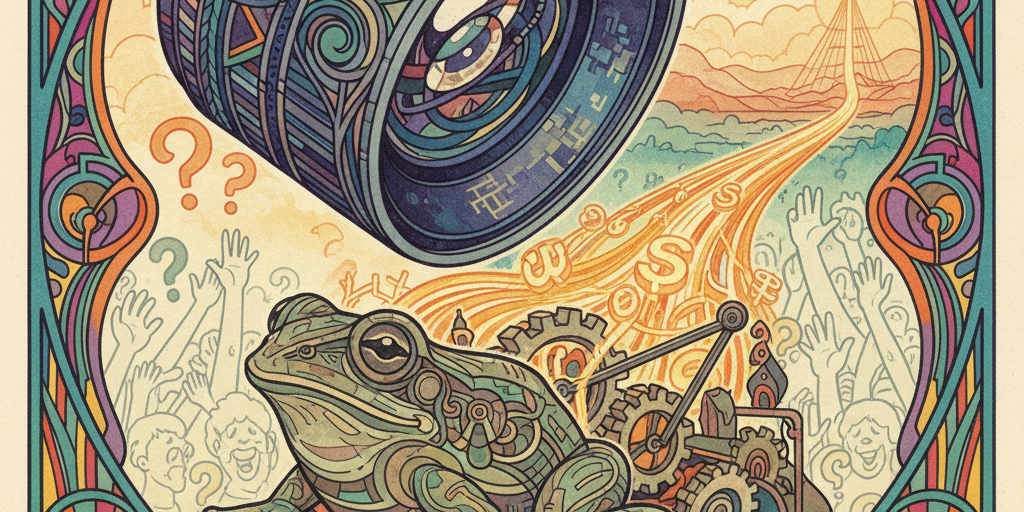
Stop treating problems as detours. Diagnose the attention debt you’re accruing, adopt instruments over instinct, and convert setbacks into durable positioning.
Are you exhausting yourself running away from the very thing that could make you rich?
What are you protecting by keeping yourself small?
What would you do if the very thing you chase was hiding right beside the problem you’re fleeing?
Cultural diagnosis: herd-odds, complaining, and the “frog”
We are in a culture that obsesses over the "odds," paralysed by the fear of failure. We calculate our chances based on the performance of the herd, forgetting Dr. Julie Gurner’s critical insight: odds are based on average people. If you simply show up and elevate your standards, the math changes entirely. Yet, instead of acting, most people choose to complain.
This isn't just annoying; it is a resource drain. Every ounce of energy spent complaining is stolen directly from the energy needed for improving. We stare at the "frog", the difficult, ugly task we need to swallow and we hesitate.
And as the old wisdom goes, if you have to swallow a frog, looking at it too long only makes it harder. We are terrified of disappointing people, unaware that the only fatal error is disappointing ourselves.
Most of us live under a tidy story: steady work, polite ambition, safety in averages. It feels responsible until you notice the slow leak. We chase opportunities while reflexively fleeing the problems that produced them, mistaking momentum for mastery. Problems are not detours; they are the seam where leverage waits.
At the same time, we fear disappointing others, so we shrink to preserve approval and lose the only person we cannot afford to disappoint: ourselves.
This mismatch (seeking applause while avoiding hard trade-offs) creates brittle success: visible enough to attract opinion, weak enough to invite sabotage from the same crowd that once rooted for the underdog.
Most of us glide through life wrapped in comforting routines, convinced that success lives somewhere beyond the obstacles we dodge. We chase shiny prospects while the real engine of growth sits in the shadows of our own setbacks.
That blind spot is cruel: the camera never lies, yet we capture only the angles we want to see. When we forget we once stood on the underdog’s side, the crowd that once cheered our ascent turns into a chorus of doubt, ready to pull us back down.
Compounding cost: hesitation as a “bad loan” of attention and credibility
This hesitation is a virus. It acts like a "bad loan," compounding interest against your potential until it bankrupts your spirit. You might believe your gut instincts are enough to navigate this, but you are wrong. In business, as in flying, relying on instinct over your instruments is a death sentence.
Jim Clayton learned this the hard way when he was forced into bankruptcy at age 27. The world is indifferent to your desires; you must make your plan conform to the territory, or the territory will brutally teach you a lesson.
Right now, you are acting like a camera that only takes pictures of what it wants to see, ignoring the blind spots where the real threats, and the real reality, live.
The price is paid quietly. Small compromises compound into strategic blindness. When you defer hard choices to avoid momentary discomfort, you accumulate bad loans of attention and credibility. A virus that eats optionality.
People will help you when they believe you deserve more than you have; the instant you forget you were once the underdog, many quietly turn their energy elsewhere. Meanwhile, markets, cycles, and competitors don’t pause for reputations. Average metrics and conventional moves set the odds, and the odds favour only the disciplined.
Inaction becomes an interest-bearing debt: missed acquisitions, squandered positioning, reward for mediocrity. Emotionally, this breeds resentment, a hollow pride, and the sense that you arrived somewhere you never chose.
Every ignored difficulty compounds, turning small irritations into invisible debts. Complaining becomes a habit that steals precious energy from improvement. The longer we let the “frog” sit on our plate, the more we waste on anxiety and regret.
The odds we fear are not immutable. They’re calculated on average people, not on the extraordinary few who simply show up and elevate themselves. As the pressure mounts, the cost isn’t just missed chances; it’s the erosion of confidence, the quiet surrender of pride, and the slow dimming of the fire that once made us chase the race itself.
Playbook: instruments, discipline, and opportunistic offence
The turning point comes when you stop running from problems and realise that problems are the opportunity. While everyone else flees the fire, the field is left wide open for you.
Jim Clayton didn’t just recover from bankruptcy; he rebuilt by playing relentless offense during downturns. While his competitors chased growth with loose credit, he stayed disciplined. He understood that the strong feed during depressions. He started swallowing the biggest "frog" first thing every morning. He realised you don’t always need to be great; you just need to be better than the competition. He stopped working with the world as he wished it was and started capitalising on the world as it is.
The shift begins with two admissions: problems are the opportunity, and disappointing people is an acceptable cost to avoid disappointing yourself. Start by reframing the camera: the facts won’t lie, but your framing will. Choose the picture that reveals leverage, not comfort.
Show up more than the average; Dr. Julie Gurner’s reminder holds: the odds are against average people, showing up and elevating flips the math. Then adopt a playbook of disciplined offense: refuse to lower standards when the market panics; integrate control where it reduces variance; make your plan conform to reality, not wishful models.
That’s what Jim Clayton did after bankruptcy at 27. He rebuilt immediately, kept standards high, vertically integrated, bought collapsing rivals on the cheap, and trusted instruments over instincts. He didn’t chase growth for glory; he played the long race Ray Kroc described, for pride and accomplishment, not worship of money.
Instead of treating problems as roadblocks, see them as the raw material for opportunity. The moment you stop fearing the “big frog” and swallow it first, you reclaim control.
Adopt a playbook that refuses to lower standards, integrates every piece of the puzzle, and attacks relentlessly when the market falters. Let your instruments (data, discipline, and decisive action) outpace instinct. By aligning your plan with the terrain rather than forcing the terrain to fit you, you turn each setback into a stepping stone, each criticism into fuel for a positive atmosphere.
Vision: magnetism, practical steps, and the final instruction
When you adopt this mindset, you become a magnet for success. Perhaps even to the tune of Warren Buffett buying your life's work for $1.7 billion in cash. But remember Ray Kroc’s philosophy: the money is often just a nuisance; the fun is in the race, and the goal is pride and accomplishment.
People will go out of their way to help you when they feel you deserve more than you have, but the moment you forget you were once the underdog, they will root against you. So, decide today which of the three types of people you will be: those who watch it happen, those who don't know what happened, or those who make it happen. Positive action creates the atmosphere where you win.
Imagine a life where stress is not the meter of success but a signal of valuable asymmetry. You stop shrinking to fit opinions and start expanding to meet real problems. You become the person people root for because you still carry the hunger that earned you help in the first place.
Picture a world where disappointment is measured only against your own expectations, not against the applause of others. Where the crowd that once doubted now watches you make things happen, inspired by the fact that you chose to be better, not necessarily the best.
Money becomes a byproduct of pride and accomplishment, a pleasant nuisance rather than the end goal. In that reality, you’re not just surviving the race. You’re defining it, building a legacy that attracts allies eager to lift you higher because you never forget the underdog’s path.
Practically: embrace the hard choice first; treat problems as purchase opportunities; let metrics and systems temper instinct; cultivate discipline during downturns. The reward is not merely wealth, it is agency, consistency, and the privilege of building something durable.
Take the first step: Identify the “frog” you’ve been avoiding, confront it head‑on, and let that decisive act reshape the landscape of your possibilities. Pick that one persistent problem you’ve been avoiding, map the true cost of not solving it, and commit to the first, inconvenient action. Swallow the big frog first. Show up. Elevate.
The Essential Concepts
The Cost of Fleeing the "Frog"
Most people operate under the herd-odds fallacy, leading to strategic hesitation and a compounding debt against potential.
- Herd-Odds Fallacy: People calculate their chances based on average people, forgetting that if you show up and elevate your standards, the math changes entirely (Dr. Julie Gurner's insight).
- The Problem as a Resource Drain: Energy spent complaining about a problem (the "frog") is stolen directly from the energy needed for improving. Hesitation acts as a "bad loan" of attention and credibility that compounds against your potential until it bankrupts your spirit.
- Blind Spot and Brittle Success: We act like a camera that only takes pictures of what it wants to see, ignoring the blind spots where real threats and opportunities live. Success built on avoiding hard trade-offs is brittle and, once achieved, is easily sabotaged by the same crowd that rooted for the underdog.
- Instinct vs. Instruments: Relying on gut instinct over instruments (data, systems, metrics) is a death sentence; the plan must conform to the territory, or the territory will brutally teach a lesson (Jim Clayton's bankruptcy lesson).
Disciplined Offense and Reframed Camera
The turning point is the admission that problems are the opportunity and that disappointing people is an acceptable cost to avoid disappointing yourself.
- Swallow the Frog First: The first and most decisive act is to identify the difficult, ugly task (the "frog") you are avoiding and confront it head-on first thing every morning. This reclaims control and mental energy.
- Problems as Purchase Opportunities: While the market is in panic or recession (fleeing the fire), the field is left wide open. Play relentless offense during downturns and buy collapsing rivals on the cheap. The strong feed during depressions (Jim Clayton's playbook).
- Reframing the Camera: The facts won't lie, but your framing will. Stop running from problems and choose the picture that reveals leverage, not comfort. Frame setbacks as raw material for opportunity.
- Adopt Instruments: Refuse to lower standards when the market panics; integrate control where it reduces variance; and make your plan conform to reality, not wishful models. Trust instruments (data, discipline, decisive action) over instinct.
Practical Steps for Durable Positioning
To convert a setback into durable positioning and become a magnet for success (driven by pride and accomplishment, not worship of money), commit to these three actions:
- Swallow the Biggest Frog: Identify the one persistent problem you’ve been avoiding (the "frog") and commit to the first, inconvenient action to solve it today.
- Map the Cost: Map the true cost of not solving that problem (the "bad loan" of attention and credibility) to fuel your motivation.
- Elevate the Standards: Show up more than the average and use metrics and systems to temper instinct, aligning your plan with reality.
I am a Knowledge Worker...
What does it mean for me?
You risk falling victim to the Herd-Odds Fallacy, calculating your career potential based on the average performance of your peers, while simultaneously acquiring a "bad loan" of attention and credibility due to The Problem as a Resource Drain—the energy spent complaining or hesitating on difficult tasks (the "frog").
This strategic blindness is compounded when you rely on Instinct vs. Instruments, making decisions based on comfort rather than data, risking the fate of having your plan brutally contradicted by reality (Jim Clayton's lesson).
Your opportunity for career leverage lies in Reframing the Camera: problems are not detours, but purchase opportunities for skill and positioning.
By choosing to Swallow the Frog First and committing to Elevate the Standards (Dr. Julie Gurner's insight), you change the math entirely, gaining the durable positioning that leads to pride and accomplishment.
How do I action this?
- Swallow the Biggest Frog (Decisive Action): Identify the one persistent, difficult task you have been avoiding (the "frog")—e.g., confronting a poorly designed process, delivering challenging feedback, or initiating a tough data analysis. Commit to executing the first inconvenient action on this task within the first 90 minutes of your workday tomorrow.
- Map the Compounding Cost ("Bad Loan" Diagnosis): Identify a current professional hesitation (deferring a negotiation, delaying a skill acquisition). Map the true cost of not solving this problem by calculating the potential "bad loan" interest accrued in terms of lost hours, credibility erosion, or missed growth opportunities over the next three months.
- Adopt Instruments Over Instinct (Elevate the Standards): For your next major project, refuse to rely on gut instinct. Identify the two key metrics or systems (your "instruments") that reduce variance and integrate control (e.g., a specific risk metric, a codified peer review step). Make your plan conform to the territory by using these metrics to temper your judgment.
- Reframing the Camera (Problem as Opportunity): Identify a recent major setback or problem in your team's workflow. Frame this setback as a "purchase opportunity" by articulating a proposal detailing the long-term leverage gained (e.g., "This failure exposes a systemic flaw we can now fix, creating a durable competitive advantage in process X").
I am a Freelancer, Solopreneur, Entrepreneur, Independent Worker...
What does it mean for me?
Your greatest obstacle is the Herd-Odds Fallacy, where you fear failure by comparing yourself to market averages, leading to The Problem as a Resource Drain as hesitation acts like a "bad loan" of attention against your business potential.
By relying on Instinct vs. Instruments (e.g., gut feel for pricing or marketing channels), you risk the brutal lesson that your plan must conform to market reality, not wishful thinking.
Your path to durable positioning and sustainability is to Reframing the Camera to see market problems as purchase opportunities.
The immediate step is to Swallow the Frog First—confronting the difficult financial or operational task that scares you most—because Elevating the Standards and acting decisively flips the odds and attracts the support you need.
How do I action this?
- Swallow the Biggest Frog (Decisive Action): Identify the one persistent, difficult business task you are avoiding (the "frog")—e.g., raising prices, cutting an underperforming service, or automating an embarrassing process. Commit to the first inconvenient action (e.g., drafting the price change email, writing the kill notice) before noon today.
- Adopt Instruments Over Instinct (Elevate the Standards): Choose one critical business area (e.g., lead generation, pricing, cash flow) where you rely on gut instinct. Adopt Instruments by setting up one objective metric/system (e.g., customer lifetime value calculation, weekly profit-per-hour tracking) and refuse to make decisions without checking this instrument against your instinct for the next two weeks.
- Reframing the Camera (Problems as Purchase Opportunities): Identify one area of market panic or industry downturn (a competitor's collapse, a new regulation). Frame this problem as a "purchase opportunity." Create a plan to play relentless offense by refusing to lower your standards (e.g., maintain quality, raise price) and targeting the clients/talent that others are letting go cheaply.
- Elevate Standards (Show Up More): Quantify what the average independent professional does in your niche (e.g., 2 client check-ins per week). Commit to showing up more by establishing one non-negotiable standard that is 20% higher than the average (e.g., 3 proactive value-add check-ins per week, 1.5x faster response time) to change the Herd-Odds Fallacy in your favour.