Lost in the Noise, The Illusion of Being Informed in The Age of Echo Chambers - Are You Thinking or Scrolling?
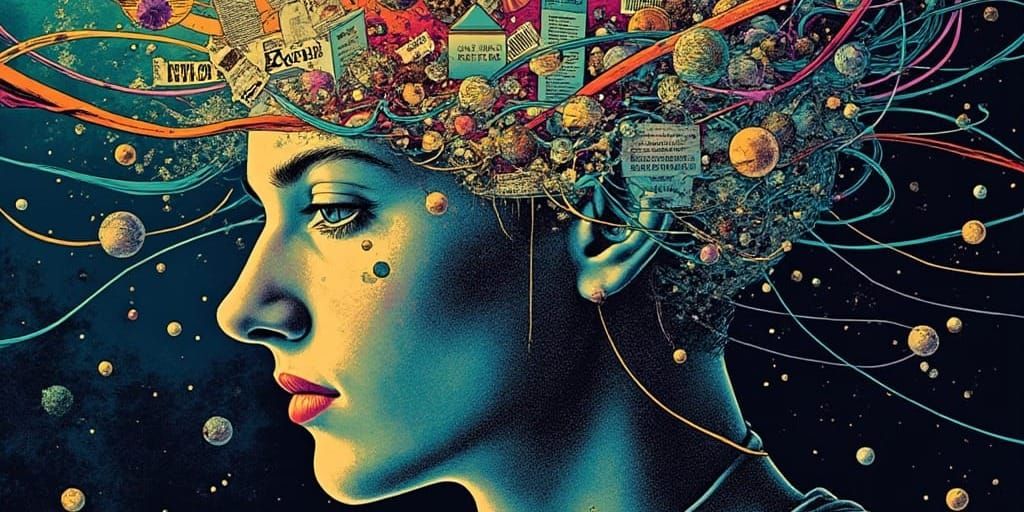
Are you truly informed or just distracted and actually becoming misinformed by your quest to stay informed?
You spend hours consuming the news, scrolling endlessly, convinced that staying "informed" is essential.
But does the news truly inform you—or does it mislead you?
Your obsession with being up-to-date often blinds you to a harsh truth: the more news you consume, the more misinformed you become.
The constant cycle of headlines and hot takes isn't designed to educate; it's designed to capture attention.
You live in an era where being "informed" is seen as a virtue.
However, your obsession with news might not be enlightening you but rather clouding our judgment.
Your obsession with being informed makes it hard to think long-term.
You spend hours consuming news because you want to be in the loop.
The problem is, this barrage of information often lacks depth or context.
News cycles thrive on immediacy and drama, not on fostering understanding or encouraging foresight.
This constant stream can desensitise you, making you less responsive to genuine crises because everything feels like a crisis.
This isn't just about wasted time—it's about opportunity cost.
Every moment spent reacting to the noise of the present is a moment stolen from the clarity of long-term thinking.
Imagine if you used that time to deeply study something meaningful, to build, or to create.
Instead, many of us choose the comfort of distraction over the discomfort of focus.
And it’s not just the news. How often do we find ourselves drawn to the safety of the crowd?
The echo chambers that form when you only consume news that aligns with your views can prevent you from seeing the broader, more nuanced picture.
This isn’t just about the content of the news but also about the conformity it breeds. No one grows up saying I want to do the same thing everyone else is doing.
Yet, the comfort of being surrounded by like-minded individuals or consuming similar news narratives can stifle innovation and critical thinking.
It creates a herd mentality where challenging the status quo becomes rare.
But this groupthink suffocates originality. No one grows up dreaming of blending in. Yet, somehow, that’s where most of us end up—trapped in patterns, unwilling to break away.
This is how stagnation begins.
Here's where kindness and risk-taking come into play.
Be kind. Understand that everyone has internal battles you're unaware of; this empathy can break down the barriers of echo chambers.
Taking risks is vital for progress. Risk-taking in thought means questioning the news, seeking out different perspectives, and allowing yourself to be uncomfortable. Perhaps the real information isn't in the news but in the silence between the headlines, in the spaces where you dare to think differently, to innovate, and to empathise.
Excessive exposure to negative news can lead to increased stress, anxiety, and a pessimistic outlook. It can also erode your sense of control and our ability to make sound decisions.
Furthermore, the constant barrage of information can make it difficult to form original thoughts and ideas.
Reclaiming Your Focus
To regain control of your time and attention, consider the following strategies:
- Digital Detox: Schedule regular breaks from screens to rest your mind and recharge. Disconnecting from technology allows you to reflect on your thoughts and experiences without external distractions.
- Mindful Consumption: Curate your information intake, focusing on reliable sources and relevant content. By being selective about what you consume, you can avoid information overload and prioritise what matters.
- Prioritise Deep Work: Set aside dedicated time for focused, uninterrupted work. Create a distraction-free environment where you can immerse yourself in tasks that require deep thought and concentration.
- Cultivate Mindfulness: Practice mindfulness techniques like meditation and yoga to improve your attention span, reduce stress, and enhance your overall well-being.
Step away from the endless stream of noise.
Disconnect from the need for validation or conformity.
Reclaim your focus, not by avoiding the world, but by choosing to engage with it on your terms.
To evolve and not just react, you must challenge yourself to consume less news and think more deeply.
Aim for a balance where being informed means being educated rather than just updated.
The next time you reach for the news, ask yourself if it's adding to your wisdom or merely to your daily information load.
Remember, civilisations thrive not by the amount of information they consume, but by the quality of thought and action they inspire.
And in this pursuit, remember to be kind.
Everyone you encounter has unseen struggles.
Your quiet courage to think differently might just inspire others to do the same.
True risk isn’t found in following the crowd—it’s in daring to forge your own path, free from the illusions of the present.
The Essential Concepts
The Dangers of Information Overload: Excessive news consumption can lead to stress, anxiety, and a diminished ability to think critically.
The Illusion of Informedness: Being constantly connected does not equate to true understanding.
The Importance of Critical Thinking: Questioning the information we consume and forming independent judgments.
The Power of Mindfulness: Being present and focused, rather than constantly reacting to external stimuli.
The Value of Digital Detox: Taking breaks from technology to rest and recharge.
The Importance of Prioritising Deep Work: Allocating time for focused, uninterrupted work.
The Role of Empathy: Understanding the struggles of others and fostering empathy.
The Power of Original Thought: Challenging the status quo and thinking for oneself.
The Value of Patience and Perseverance: Building long-term success through consistent effort.
The Importance of Self-Care: Prioritising physical and mental health.
I am a Knowledge Worker...
What does it mean for me?
As a knowledge worker in a corporate setting, you're constantly exposed to internal communications, industry news, and team discussions that can create The Illusion of Informedness. The blog warns that this constant consumption, often akin to scrolling social media, can lead to The Dangers of Information Overload, causing stress and hindering your ability to think critically about long-term career growth or organizational strategy. Being "in the loop" can subtly foster a "herd mentality," stifling The Power of Original Thought and preventing you from challenging the status quo for genuine innovation. Your career trajectory benefits immensely from prioritizing The Importance of Prioritising Deep Work and cultivating The Power of Mindfulness to filter out the "noise," allowing you to develop well-considered opinions and contribute meaningfully rather than simply reacting to the latest update.
How do I action this?
- Implement a "No-News Zone" for Deep Work: Designate specific daily blocks (e.g., 90 minutes) where all news feeds, general internal communication channels (e.g., non-essential Slack channels), and social media are completely closed. This creates a distraction-free environment for The Importance of Prioritising Deep Work.
- Curate a "Strategic Information Diet": Instead of broad news consumption, identify 1-2 highly credible, in-depth sources (e.g., industry analyst reports, specific thought leadership, academic papers) directly relevant to your career growth or your company's strategic direction. Limit your information intake to these sources, focusing on quality over quantity to combat The Illusion of Informedness.
- Practice "Empathy-First" Engagement: Before reacting to a challenging email or a conflicting viewpoint from a colleague, consciously remind yourself to "be kind" and consider the "unseen struggles" they might be facing. Frame your response with The Role of Empathy to foster better collaboration and break down potential "echo chamber" dynamics.
- Schedule a "Challenge the Status Quo" Session: Once a month, dedicate 30 minutes to explicitly brainstorm ways to challenge a current process, assumption, or common practice within your team or department. This cultivates The Power of Original Thought and courage to "think differently," preventing stagnation and fostering innovation.
I am a Freelancer, Solopreneur, Entrepreneur, Independent Worker...
What does it mean for me?
As an independent professional, the relentless pursuit of staying "informed" about market trends, competitor moves, and client needs can quickly become The Dangers of Information Overload. This constant consumption, often through "scrolling endlessly," creates The Illusion of Informedness, leaving you feeling busy but lacking genuine insights or the ability to think long-term about your business sustainability. You might find yourself trapped in "echo chambers" of like-minded indie hackers, stifling The Power of Original Thought and preventing you from forging a unique path. Your business's longevity relies on your ability to disconnect from the daily "noise," prioritize The Importance of Prioritising Deep Work (on product, clients, strategy), and cultivate The Power of Mindfulness to make deliberate choices about where to invest your precious time and attention, ultimately inspiring better quality thought and action.
How do I action this?
- Implement a "Digital Detox Micro-Session": Schedule a minimum of 1 hour per day (or 3-4 times a week) where you completely disconnect from all digital devices, especially news and social media. Use this time for reflection, creative problem-solving, or physical activity, embracing The Value of Digital Detox to recharge and cultivate deeper thinking.
- Curate a "Strategic Insight Feed": Instead of general news, intentionally subscribe to and consume only 2-3 highly relevant, high-quality newsletters, research papers, or expert analyses directly related to your niche market or core offering. This "Mindful Consumption" ensures your information intake fosters understanding, not just updates, boosting The Importance of Critical Thinking.
- Dedicate "Uninterrupted Creation Blocks": Set aside 2-3 hours, 2-3 times a week, specifically for "deep work" on your core product development, high-value client projects, or strategic business planning. During these blocks, eliminate all notifications and distractions, recognizing The Importance of Prioritising Deep Work for tangible progress.
- Schedule a "Daring to Disagree" Brainstorm: Once a month, consciously seek out and critically analyze an idea or trend within your niche that is widely accepted. Brainstorm potential counter-arguments or alternative approaches. This exercise in The Power of Original Thought helps you avoid herd mentality and identify unique competitive advantages.