Scoreboards, Smoke, and Small Units: From Public Metrics to Pattern Memory for Clarity in Complexity and Crisis.
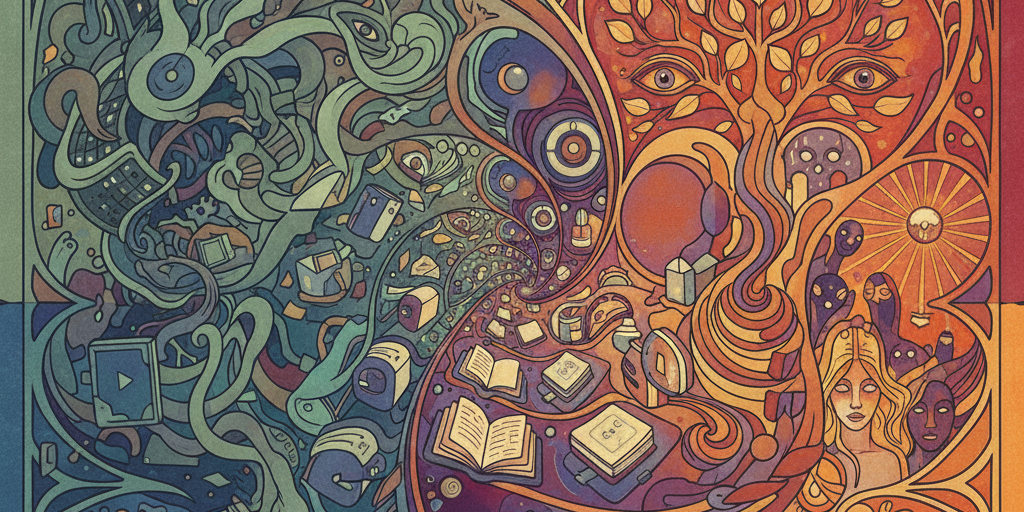
Why chasing visible wins erodes long-term capability and how a single daily routine builds durable judgement. Swap applause-driven habits for pattern-based learning: one biography, one notebook, one weekly review and repeat.
Are you actually building a legacy, or are you just staring at the scoreboard waiting for the numbers to change while the clock runs out?
Are you spending every day chasing applause while your real work quietly withers?
What if the daily grind you accept as “normal” is actually the quiet thief stealing the future you’ve imagined?
The productivity hallucination
We are sleepwalking through a hallucination of productivity. We exhaust ourselves trying to be everything to everyone, slowly diluting our essence until we are nothing to anyone. We claim to seek growth, but let's be honest: when we ask for criticism, we usually just want praise. We crave the dopamine hit of validation rather than the stinging medicine of truth.
Worse, we tolerate "energy vampires", people who siphon our spirit, simply because we haven't made peace with who we are. We rely on natural talent or charisma to coast through the week, obsessing over the final outcome (the promotion, the exit, the accolade) while completely neglecting the architecture of the day itself. We are drifting, and in a world that rewards precision, drifting is dangerous.
Everyday you attack a to-do list wired for headlines: launches, quarterly wins, visible outcomes. Praise is abundant and easy; real critique is scarce. You skim ideas, consume fragments of strategy, then move on believing momentum is the same as mastery.
Biography after biography sits half-read because you think pattern recognition is a product of time, not method. You don’t keep a journal the moment insight arrives, and when you do try to improve, you ask for feedback and receive compliments dressed as counsel.
Meanwhile, the people around you demand attention and validation, and you quietly try to be everything to everyone. That generosity feels noble until it leaves you drained and without a sharpened edge.
Beneath the surface lies a relentless foe: the habit of drifting without intention. It feeds on complacency, turning curiosity into a distant memory and eroding the edge that separates the ordinary from the extraordinary.
Compounding cost and consequences
The cost of this drift is not immediate failure; it is something far more insidious: preventable suffering. Life is relentless. It will inevitably throw specific, complex situations at you that you have never faced before.
If you haven't prepared, you are fighting blind. You will waste years making mistakes that others have already solved. By relying on "gifts" rather than systems, you leave yourself exposed. When the crisis hits, you won't have the mental models to cope. You will be overwhelmed by problems that should have been predictable patterns.
The toll is paid in stress, lost time, and the agonising realisation that you are drowning in shallow water because you refused to learn how to swim.
Shortcuts compound into brittle thinking. When novel, high-stakes problems appear you find yourself improvising instead of recognising the pattern you’ve already read about. Small losses become identity losses: missed opportunities, stalled projects, eroded confidence.
Emotionally, the cycle breeds a hunger for applause and a fear of honest appraisal. So you hide experiments and double down on safe moves. Socially, time sinks masquerade as relationships; energy vampires sap the bandwidth you need for deliberate growth. The result is slow entropy: talent dulled, potential deferred, decisions made from habit, not insight.
Each unnoticed shortcut compounds. The mental bandwidth you waste on endless noise becomes a silent debt, manifesting as missed opportunities, stale relationships, and a growing disconnect from the version of yourself you once aspired to be. The cost isn’t just lost productivity; it’s the erosion of confidence, the creeping dread that you’re merely watching life pass by, while the world rewards those who sharpen their minds daily.
Deliberate practice and pattern-building
The pivot point is simple but demanding: You don't have to be gifted, but you must be deliberate. The best are always learning, not to show off, but to survive.
You need to attack your best ideas and read like crazy. Specifically, devour biographies. When you read about the lives of the greats, you unlock a pattern recognition engine. You realise that life keeps throwing the same situations at you that it threw at them. Suddenly, you have a cheat code: someone who solved your exact problem is whispering the answer in your ear.
The shift is humble: make the day the unit of mastery. Read like your future depends on it. Start with biographies that let predecessors whisper solutions to problems you haven’t yet faced. When an idea strikes, write it down immediately; make review a ritual.
This is where you stop thinking alone and start thinking with history. You write things down the moment you see them. You review regularly. You memorise the big ideas until they are fluent. You stop getting high on your own supply of ego and start building a library of solutions.
Learn in public and alone: think hard, then test. Build a mental inventory of big ideas until they live in fluent recall. Attack your best hypotheses with the same energy you give to urgent tasks. Be deliberate: deliberate practice beats raw talent. Stop confusing pleasant feedback with useful feedback. Seek critique that wounds the comfortable and sharpens the edge.
Finally, choose your company with intent. Accept that you cannot be everything to everyone; protect your time for people who catalyse energy, not drain it. And when you meet others, make them feel truly important, not for manipulation, but because attention is the simplest, fastest form of influence.
Imagine treating your mind like a forge: feed it disciplined fire, shape it with purpose, and temper it with reflection. Adopt the habits Shane Parrish champions: read voraciously, journal relentlessly, and revisit insights until they become second nature.
Let biographies become your secret mentors, granting you pattern recognition before you ever face the scenario. Pair this with a simple, radical act: see every person you meet as bearing an invisible badge that reads “Make Me Feel Important.” Respond instantly, and you’ll discover a catalyst that fuels both connection and personal growth.
Imagined result: anti-fragile clarity
Picture a life where each morning feels like stepping onto a stage you’ve rehearsed for, not a script you’ve inherited. Your decisions are deliberate, your ideas sharp, and your interactions leave a trail of genuine impact.
Imagine walking into a room with total clarity. You no longer need to be everything to everyone; you have made peace with your specific mission. You ruthlessly curate your circle, spending time only with "energy catalysts" who ignite your potential.
Your interactions shift, too. You visualise an invisible sign around every person’s neck that screams, "MAKE ME FEEL IMPORTANT," and you respond to it immediately. This isn't manipulation; it's connection. You have moved from fragile talent to anti-fragile wisdom.
Imagine a life where each morning adds a small, accumulated advantage: patterns recognised before problems arrive; decisions sourced from a private archive of tested ideas; relationships that recharge rather than deplete.
You no longer chase praise; you pursue the daily work that produces it as a byproduct. Your judgments become rarer and truer. Your projects scale because you attack the right ideas decisively.
Energy drains become rare, replaced by allies who amplify your momentum. This isn’t a distant fantasy, it’s the result of committing to intentional learning, purposeful journaling, and the humility to honour others’ significance.
Choose one biography to read with intent, carry a notebook, write the moment insight appears, schedule a weekly review, and identify one relationship to protect and one to prune. Repeat this daily. Deliberate repetition is the engine. If you commit to the day, outcomes will follow.
Let that small, deliberate act be the spark that reshapes your entire landscape.
The path is clear:
- Read one biography this month. Find the pattern that matches your struggle.
- Audit your circle. Identify the vampires and find the catalysts.
- Forget the outcome. Win the day.
Don't just exist. Be deliberate.
The Essential Concepts
The Productivity Hallucination and Drift
The core flaw is a lack of intention, where people tolerate "energy vampires" and focus on headlines rather than the architecture of the day.
- The Productivity Hallucination: We claim to seek criticism but crave the dopamine hit of validation (applause). We exhaust ourselves trying to be everything to everyone, slowly diluting our essence until we are nothing.
- Drifting is Dangerous: We rely on gifts (talent/charisma) rather than systems, neglecting the architecture of the day. In a world that rewards precision, this drift without intention is dangerous.
- Compounding Suffering: The cost is preventable suffering. Without mental models built through preparation, you waste years making mistakes others have already solved. When a crisis hits, you are overwhelmed by problems that should have been predictable patterns.
- Hidden Costs: Shortcuts compound into brittle thinking (improvising instead of recognising patterns). Socially, time sinks masquerade as relationships; emotionally, the cycle breeds a hunger for applause and a fear of honest appraisal.
Deliberate Practice and Pattern-Building
The pivot is to stop thinking alone and start thinking with history, making the day the unit of mastery.
- The Cheat Code (Biographies): Devour biographies to unlock a pattern recognition engine. You realise life throws the same situations at you as it threw at the greats. Reading allows a predecessor who solved your exact problem to whisper the answer in your ear.
- The Learning Ritual (Small Units): Adopt a simple, demanding ritual:
- Write it Down: Journal immediately the moment an insight strikes.
- Review Regularly: Schedule a weekly review to memorise the big ideas until they are fluent recall.
- The Power of Critique: Stop confusing pleasant feedback with useful feedback. Seek critique that wounds the comfortable and sharpens the edge—deliberate practice beats raw talent.
- Curate the Circle: Choose your company with intent. Prune the "energy vampires" and protect time for "energy catalysts." In every interaction, visualise the invisible sign: "MAKE ME FEEL IMPORTANT," and respond to it immediately—this is connection, not manipulation.
Prescribed Daily Routine for Anti-Fragile Clarity
To stop chasing the scoreboard and start building anti-fragile clarity, commit to this daily routine:
- Read with Intent: Read one biography this month to find the pattern that matches your current struggles.
- Capture Insight: Carry a notebook and write down one insight the moment it appears.
- Review and Repeat: Schedule a weekly review to revisit insights and turn them into fluent mental models.
- Audit the Circle: Identify one "vampire" relationship to prune and one "catalyst" relationship to protect.
I am a Knowledge Worker...
What does it mean for me?
You are likely experiencing the Productivity Hallucination—chasing visible wins (scoreboards) and applause while your long-term capability suffers from Drifting is Dangerous.
This lack of intention, fueled by the desire for the dopamine hit of validation, means you're building a brittle career on talent rather than systems.
The crucial cost is Compounding Suffering: when a genuine crisis or complex, novel problem arises in your organisation, you'll be fighting blind, improvising instead of recognising the predictable patterns that others (through history) have already solved.
By adopting the Deliberate Practice and Pattern-Building remedy, specifically the Learning Ritual (Small Units), you gain the Cheat Code (Biographies).
This builds anti-fragile wisdom, ensuring your judgment is durable and sourced from tested historical models, making you indispensable during corporate complexity.
How do I action this?
- The Learning Ritual: Biographies as the Cheat Code: Select one biography this month of a successful leader or strategist whose core struggle (e.g., managing rapid growth, navigating political upheaval) matches a complex problem you currently face at work. Read with the explicit intent to find the pattern recognition engine for your struggle.
- The Learning Ritual: Capture Insight: Carry a physical or digital notebook and commit to writing down one distinct insight (a sentence, a model, a strategy) the moment it strikes you during the day, rather than trusting memory. This directly combats Drifting is Dangerous by creating an architecture of the day.
- The Learning Ritual: Weekly Review: Schedule 30 minutes every Sunday for a weekly review. Systematically revisit all the insights you Captured that week (from the notebook/journal) to turn them into fluent mental models that move beyond pleasant feedback into practical critique.
- Curate the Circle (Energy Management): Audit your weekly interactions. Identify one "vampire" relationship (a time sink or energy drain) to prune or limit by 50% this week. Simultaneously, identify one "catalyst" relationship (someone who sharpens your edge) to protect by dedicating specific, focused time to them.
I am a Freelancer, Solopreneur, Entrepreneur, Independent Worker...
What does it mean for me?
As an independent professional, succumbing to the Productivity Hallucination is particularly dangerous, as Drifting is Dangerous directly threatens your revenue.
You may be chasing public metrics (scoreboards) and external validation instead of building the architecture of the day.
Relying on natural talent guarantees Compounding Suffering when facing inevitable business crises (like market shifts or major client losses), leaving you to improvise instead of recognising the predictable patterns solved by predecessors.
The shift to Deliberate Practice is critical: The Cheat Code (Biographies) allows you to leverage history for quick solutions, while The Learning Ritual (Small Units) provides the anti-fragile clarity needed to make deliberate decisions, ensuring you win the day and build a durable, system-based business, not one dependent on fragile talent.
How do I action this?
- The Learning Ritual: Biographies as the Cheat Code: Read one biography this month of a founder, investor, or competitor whose career trajectory contains the pattern recognition for your current biggest business struggle (e.g., scaling without funding, surviving a downturn). Seek the answer to a specific strategic question you currently face.
- The Learning Ritual: Capture Insight: Carry a notebook (digital or physical) and commit to journaling immediately when a business insight, market observation, or self-critique strikes. This creates a private archive of ideas for fluent recall, ensuring you're thinking with history, not alone.
- The Learning Ritual: Weekly Review: Schedule 60 minutes every weekend for a Review and Repeat ritual. Review your captured insights and the key lessons from your reading, explicitly linking them to one current business decision to ensure Deliberate Practice beats raw talent.
- Curate the Circle (Energy and Bandwidth): Audit your social and client interactions. Identify one "vampire" relationship (low-profit client, high-maintenance contact) to prune or establish firm boundaries this week. Simultaneously, practice the "MAKE ME FEEL IMPORTANT" technique with a potential high-value client or partner by instantly giving them focused, genuine attention.